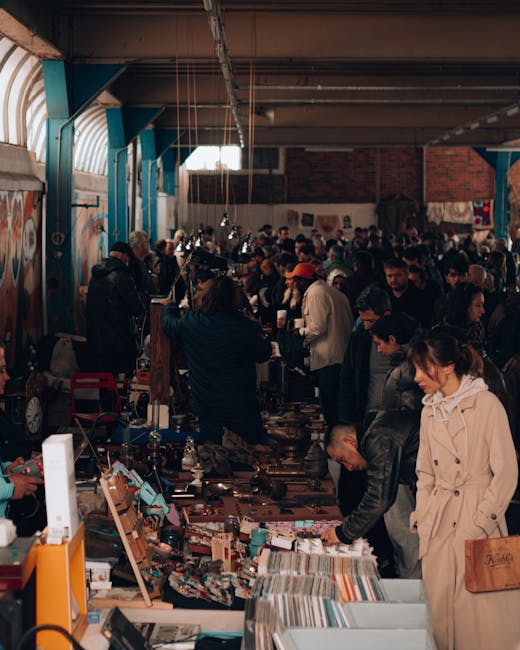
Clearing Highbury Barn Market Waste: Local Tips for Traders
Market days are busy, loud, and profitable in the best possible way. They are also messy. If you trade at Highbury Barn Market, you already know that waste builds up fast: cardboard from deliveries, food packaging, damaged stock, floral offcuts, old display materials, broken crates, and the odd bulky item that seems to appear out of nowhere. The real challenge is not just clearing it, but clearing it efficiently, safely, and without disrupting your stall or upsetting neighbours.
This guide to Clearing Highbury Barn Market Waste: Local Tips for Traders brings together practical advice for stallholders who want a tidier pitch, smoother close-downs, and fewer last-minute headaches. You will find local-minded tips, compliance pointers, a step-by-step process, and sensible options for handling general waste, recyclable material, and bulky items. If you need a broader service for business premises as well, it can also help to understand related support such as business waste removal and waste removal, especially when market waste starts to behave more like a weekly operational problem than a one-off clean-up.
One thing is clear: the smoother your waste routine, the easier it is to stay focused on customers, stock, and sales. And truth be told, that is where your energy should be going.
Table of Contents
- Why Clearing Highbury Barn Market Waste: Local Tips for Traders Matters
- How Clearing Highbury Barn Market Waste Works
- Key Benefits and Practical Advantages
- Who This Is For and When It Makes Sense
- Step-by-Step Guidance
- Expert Tips for Better Results
- Common Mistakes to Avoid
- Tools, Resources and Recommendations
- Law, Compliance, Standards, or Best Practice
- Options, Methods, or Comparison Table
- Case Study or Real-World Example
- Practical Checklist
- Conclusion
- Frequently Asked Questions
Why Clearing Highbury Barn Market Waste: Local Tips for Traders Matters
Market waste is not just an end-of-day nuisance. Left unmanaged, it affects trading conditions, public perception, hygiene, loading access, and the pace of your pack-down. In a local market setting like Highbury Barn, where space is limited and people move quickly, a few extra bags or a stack of broken boxes can become an obstacle in minutes.
There is also the simple reputational side. Customers notice what is left behind. So do nearby businesses, residents, and anyone responsible for keeping shared areas usable. A clean stall looks organised; a cluttered exit point looks rushed. Even when the product itself is excellent, poor waste handling can dilute the overall impression.
For traders dealing with recurring rubbish, packaging, unsold stock, or damaged fixtures, a planned approach is usually more effective than ad hoc disposal. In some cases, it makes sense to align market-day clear-down with a wider property or storage clear-out. That might involve a service like furniture clearance if displays and shelving need replacing, or furniture disposal when old tables, rails, or cabinets are no longer worth keeping.
Key point: the cleaner your close-down routine, the less time waste steals from trading.
How Clearing Highbury Barn Market Waste Works
At a practical level, market waste clearance starts before the stall opens. The best traders think in zones: what stays on the pitch, what goes into segregated bags, what must be stored for return, and what needs immediate removal. That simple habit prevents the all-too-familiar pile-up at the end of the day.
In most cases, the process follows four stages:
- Sort the waste as you trade. Keep recyclable cardboard, food-related waste, soft plastics, and general rubbish separated where possible.
- Contain it securely. Use strong sacks, reusable crates, lidded tubs, or tied bundles so debris does not spread in wind or during transport.
- Move it out quickly. Clear the pitch in a controlled order so the last items do not block access or create trip hazards.
- Arrange onward disposal. Depending on volume and material type, that may mean scheduled collection, local tip runs where appropriate, or support from a specialist clearance team.
If your waste stream includes stockroom clutter, broken display items, or old storage pieces, you may find a broader clearance service more useful than a simple bin-emptying arrangement. In those cases, traders sometimes look at office clearance or flat clearance for nearby premises used as prep areas, storage spaces, or mixed-use working rooms.
The main idea is straightforward: the less mixed up your waste becomes, the easier and cheaper it is to deal with. Mixed waste is where time disappears. And nobody enjoys spending a Saturday afternoon untangling wet cardboard from half a box of broken packing tape.
Key Benefits and Practical Advantages
A disciplined waste routine does more than make the stall look tidy. It improves workflow from setup to close-down and reduces the chance of avoidable problems.
| Benefit | What it means in practice | Why traders care |
|---|---|---|
| Faster pack-down | Waste is sorted and contained as you go | Less overtime, less stress, fewer delays |
| Safer trading area | Cardboard, crates, and scraps are kept out of walkways | Lower trip risk for staff and customers |
| Better presentation | The stall stays cleaner for longer | Stronger first impression and a more professional feel |
| More efficient disposal | Recycling and general waste are separated sensibly | Less confusion at collection time |
| Less storage pressure | Bulky items leave the site sooner | More room for stock, packing, and equipment |
There is also a less obvious benefit: predictability. Once waste becomes routine, it stops being an emotional problem at the end of a long day. You know what goes where. You know what needs a second pair of hands. You know when to call for help. That predictability is worth a lot when trading is already demanding.
For traders who regularly replace equipment, a structured system also makes it easier to decide whether an item should be reused, repaired, or removed. For example, a damaged display unit may not belong in general rubbish at all; it might be better suited to a targeted builders waste clearance if it includes timber, fittings, or renovation debris from a stall refit.
Who This Is For and When It Makes Sense
This guide is useful for a wide range of traders, not just food vendors. Market waste comes in many forms, and different stalls face different challenges.
- Food traders dealing with packaging, prep waste, and perishables.
- Produce stalls managing damaged fruit, vegetable trimmings, crates, and cardboard.
- Clothing and accessories sellers handling hangers, broken packaging, stock boxes, and display materials.
- Vintage and second-hand traders who often end up with mixed bulky items, storage clutter, and unsold stock.
- Craft and homeware stalls with paper, bubble wrap, offcuts, and fragile packing waste.
- Multi-site traders who need a repeatable process across markets, storage rooms, and workshop spaces.
It makes sense to tighten up your waste approach when one of these situations starts to happen:
- the end-of-day pack-down regularly overruns;
- waste bags are being mixed and repacked too often;
- your stall feels cramped because old materials are hanging around;
- customers or neighbouring traders are having to step around clutter;
- you are storing unusable items "just in case" and never actually using them.
If any of that sounds familiar, the issue is no longer just disposal. It is operational efficiency. In some cases, traders also use local clearance support for back-of-house areas, garages, or garden storage linked to their business. Services such as garage clearance, loft clearance, or home clearance can be relevant where stock or equipment has spread beyond the market pitch itself.
Step-by-Step Guidance
If you want a practical method rather than a vague "keep it tidy" reminder, this is the process to follow.
1. Set up a waste plan before trading starts
Decide where rubbish will go, which bag is for recycling, and who is responsible for final removal. A plan takes two minutes and saves a lot of confusion later.
2. Bring the right containers
Use sturdy bags, stackable crates, and labelled tubs if needed. Weak bags are a false economy. They split at the worst moment, usually when you are already carrying too much else.
3. Separate waste as it is created
Cardboard, food scraps, protective film, damaged stock, and broken equipment should not all end up in one pile unless there is no realistic alternative. Separation makes disposal faster and cleaner.
4. Flatten and compact where safe
Cardboard boxes, packaging sleeves, and empty trays take up far less room once flattened. Just avoid over-packing bags if it creates lifting risks or tears.
5. Clear trip hazards first
When the day ends, remove loose wrap, tape, and stray packaging before you move heavier items. That small order of operations helps prevent slips and awkward carrying injuries.
6. Decide what is reusable
Some materials can be kept for future use: clean crates, display rails, bags, and protective packing. Anything damaged, unsanitary, or unstable should be removed promptly rather than stored indefinitely.
7. Book removal or transport in advance
Do not leave bulky clear-outs to chance. If you already know an item will not be kept, arrange onward handling before it becomes a problem. For ongoing business needs, a service such as pricing and quotes can help you compare options without committing blind.
8. Review the waste flow after each market day
Ask one simple question: what slowed us down? Maybe the bags were too small. Maybe cardboard storage was awkward. Maybe the stall layout encouraged clutter. The fix is usually small, but the impact is noticeable.
Expert Tips for Better Results
Experienced traders tend to do a few things consistently well. None of them are dramatic, but together they keep waste under control.
- Keep a "first out" waste bag. Anything obviously disposable should leave the stall early, not wait until the end.
- Label recurring waste streams. If you always generate the same materials, make the system obvious for anyone helping you.
- Use one clean handover point. One designated collection spot is better than waste scattered around the pitch.
- Protect wet or food-based waste. This helps reduce odour and leakage while you finish trading.
- Plan for weather. Wind and rain can turn light packaging into a nuisance very quickly. London weather likes to keep everyone humble.
- Keep heavier items separate from lightweight rubbish. It makes lifting safer and makes collections simpler.
A useful habit is to treat waste as part of stock control. If you regularly throw away the same broken items, packaging, or overstocks, you may actually have a procurement or storage issue rather than a disposal issue. That is where a more strategic review pays off.
Where traders are managing clearance from nearby premises, it can also help to stay aligned with broader sustainability practices. If environmental handling matters to your business, reviewing a provider's recycling and sustainability approach is a sensible move.
Common Mistakes to Avoid
Most waste problems do not begin as major failures. They begin as small shortcuts that become habits.
- Leaving everything until the end. A single end-of-day pile is harder to manage than small, regular clearances.
- Overfilling bags. Heavy bags tear, are awkward to move, and can cause injuries.
- Mixing recyclable and general waste without thinking. It creates more work later and can make disposal less efficient.
- Using damaged containers. Cracked crates or split sacks are trouble waiting to happen.
- Storing unusable items "temporarily" for months. If it has no clear purpose, it is just clutter with ambition.
- Ignoring access routes. Waste stacked where people need to pass can create friction with neighbours and logistics issues for your own team.
Another common mistake is assuming all waste can be treated the same way. Market waste often includes a mix of light packaging, food residue, stock packaging, display items, and occasional bulkier material. Different waste streams need different handling. If that sounds obvious, good. The trouble is that obvious things are often the ones that get ignored when the pitch is busy.
Tools, Resources and Recommendations
You do not need a complex system to get better at waste management. A few good tools can make the whole process smoother.
- Heavy-duty sacks for mixed general waste.
- Flattening tools or box cutters for cardboard and packaging.
- Reusable crates for stock and transportable materials.
- Labelled tubs or tubs with lids for separating different waste streams.
- Gloves and basic cleaning supplies for hygiene and safe handling.
- Reusable ties or tape to secure bundles of cardboard and prevent spillages.
For traders with more complex needs, wider clearance services may be worth exploring. If a stall update has left you with old shelving or chairs, furniture disposal may be more suitable than a general waste collection. If you are dealing with a larger commercial clean-up, contact us is often the most direct way to discuss the right option for the job.
It also helps to keep your records simple. Know what you are throwing away, how often it appears, and whether it is genuinely waste or just surplus stock. That clarity makes future decisions much easier, especially during busy seasons.
Law, Compliance, Standards, or Best Practice
Market traders should always handle waste responsibly and in line with applicable UK waste rules, local site requirements, and landlord or market operator expectations. The exact obligations can vary depending on the waste type and the arrangement you have in place, so it is wise to check the current position rather than rely on assumptions.
As a general best-practice approach, traders should:
- store waste safely so it does not create hazards;
- keep different materials separate where practical;
- use authorised and reputable disposal routes;
- avoid leaving waste where it could obstruct access or annoy neighbouring premises;
- make sure any contractor you use is appropriate for the material being removed.
Health and safety should also remain part of the picture. Bags that are too heavy, damaged items with sharp edges, and cluttered walkways can all cause avoidable problems during busy trading hours. If you use outside help, it is sensible to review provider assurances such as health and safety policy and insurance and safety so you know how their work is managed.
For traders who want to understand how a provider handles business ethics and operational standards, the supporting pages on about us and terms and conditions are worth checking too. They are not glamorous reading, but they do help build trust. Practical services are only as useful as the standards behind them.
Options, Methods, or Comparison Table
There is no single right way to clear market waste. The best method depends on the volume, the type of waste, and how quickly it needs to leave the site.
| Method | Best for | Pros | Limitations |
|---|---|---|---|
| On-stall sorting and bagging | Everyday waste and packaging | Cheap, simple, fast to start | Needs discipline and space |
| Scheduled collection | Regular recurring waste | Predictable and easy to budget for | Requires planning and set timings |
| One-off clearance support | Bulky items, broken fixtures, stock-room clutter | Removes heavy work quickly | Usually best for occasional use |
| Self-transport to a disposal point | Small manageable loads | Flexible and direct | Time-consuming and not ideal for bulky waste |
For many traders, the smartest route is a blend. Routine waste stays under control through good daily habits, while larger items are removed with dedicated help when needed. If you are dealing with a bigger reset, a wider service like home clearance or even house clearance can be relevant where trade stock, personal equipment, and stored items overlap.
Case Study or Real-World Example
Consider a trader with a small Highbury Barn pitch selling fresh produce and prepared items. By mid-afternoon, the stall has cardboard from deliveries, peelings and trimmings, torn packaging, a few damaged trays, and wet waste that needs attention quickly.
In the first version of the workflow, everything went into one large bag until the end of the day. The result was predictable: a heavy, awkward pack-down, bags that occasionally split, and too much time spent sorting rubbish after trading had finished. The stall looked fine during sales, but the close-down was slow and frustrating.
After a simple reset, the trader switched to three containers: one for cardboard, one for general packaging, and one for food-related waste. They also flattened boxes as they arrived and cleared the site in stages rather than all at once. The difference was immediate. Pack-down became quicker, the pitch looked better, and the trader spent less time on unproductive tidying after closing.
The broader lesson is not that the system was complicated. It was the opposite. It was small, repeatable, and easy to keep up even on a busy day. That is usually the mark of a good operational fix.
Practical Checklist
Use this checklist before, during, and after trading days to keep waste under control.
- Have the right sacks, tubs, and crates ready before setup.
- Separate cardboard, general rubbish, and food-related waste where practical.
- Keep walkways clear throughout the day.
- Flatten packaging and break down boxes as soon as you can.
- Use gloves and safe lifting habits for heavier items.
- Do not overfill bags or pile waste beside the stall.
- Identify any bulky items that need special removal.
- Review whether reusable materials should be kept or discarded.
- Arrange collection or clearance before waste becomes unmanageable.
- Check that your disposal route matches the type of material involved.
Quick summary: the most effective market waste systems are simple, repeatable, and designed around the realities of trading, not ideal conditions.
If you need support with a larger clean-up or a recurring business waste plan, it is sensible to compare options early and avoid leaving everything to the last minute.
Get a free quote today and see how much you can save.
Conclusion
Clearing market waste well is not about perfection. It is about keeping your stall safe, professional, and easy to run. Traders at Highbury Barn who build a small routine around sorting, flattening, containing, and removing waste usually find that trading feels less chaotic and close-down becomes much easier.
Start with the basics: separate what you can, remove bulky items quickly, and make waste part of your normal setup rather than a painful afterthought. If your needs are bigger than a bin collection, use a service that fits the type of material and the scale of the job. The goal is simple: less clutter, less stress, and a more efficient trading day.
And once that routine is in place, you will notice something refreshing. The end of the day stops feeling like a scramble and starts feeling like a proper finish.
Frequently Asked Questions
What is the best way for traders to handle market waste at Highbury Barn?
The best approach is to sort waste as you trade, flatten packaging early, keep walkways clear, and arrange removal before the close-down becomes rushed. A small, consistent routine usually works better than a big end-of-day tidy.
Can market waste include bulky items like tables or display units?
Yes. Traders often end up with damaged furniture, old shelving, broken crates, or display equipment that no longer works. Those items usually need a more specific removal method than ordinary rubbish bags.
How can I reduce the amount of waste my stall produces?
Choose reusable packaging where possible, order stock in practical quantities, flatten cardboard immediately, and keep returns or reusable materials separate from true waste. Small changes often make a noticeable difference.
Is it better to sort waste during trading or at the end of the day?
During trading is usually better. Sorting as you go keeps the stall tidy, reduces end-of-day pressure, and helps prevent mixed waste from turning into a bigger job later.
What should I do with cardboard boxes from deliveries?
Flatten them as soon as they are empty and store them neatly for recycling or collection. Bulky, unflattened boxes take up far too much room and slow everything down.
Do I need a special service for business waste from a market stall?
If your waste is regular, bulky, or more complex than standard household rubbish, a business-focused service is often the most practical option. It helps keep the process organised and better matched to what traders actually generate.
How do I know if something should be reused or removed?
Ask whether it is still safe, clean, and genuinely useful. If it is damaged, unstable, or only being kept out of habit, removal is usually the better choice.
What are the most common waste mistakes traders make?
The biggest mistakes are leaving everything to the end, overfilling bags, mixing waste types, and storing unusable items for too long. These habits waste time and can create safety issues.
Can waste clearance help if I also use a storage room or office nearby?
Yes. Traders often need support beyond the market pitch, especially where stockrooms, offices, or prep areas have become cluttered. That is where related clearance services can be useful.
How do I choose a trustworthy clearance provider?
Look for clear pricing, sensible terms, safety information, and a straightforward way to contact them. It also helps to check whether their services match the material you need removed, especially for heavier or mixed waste.
Is recycling worth the effort for small traders?
Usually, yes. Even a basic recycling routine can reduce general waste volume and make pack-down easier. It does not need to be complicated to be worthwhile.
What is the simplest first step if my waste system is messy right now?
Start by separating just two things: recyclables and general rubbish. Once that becomes routine, add a third stream for bulky or reusable items. Keep it simple enough that you will actually stick to it.
Where should I go next if I need help with a larger clean-up?
The most practical next step is to review the type of waste you have, whether it is recurring or one-off, and then request a tailored quote. That keeps the job specific, efficient, and easier to budget for.